
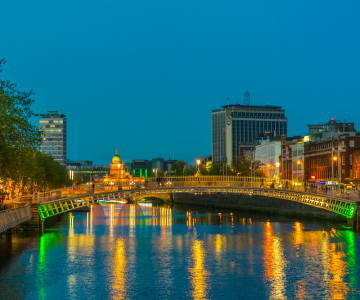
Adults
What’s On in Dublin: October 2026 | Halloween Edition
The weather might be turning cold but our Dublin Halloween Guide is here to bring you back to life with all kinds of spooky, magical, and exciting experiences around Dublin this October.
Evie Lucas
Recently, the British bakery chain Greggs announced that it would be selling three brand-new beverages alongside its traditional sausage rolls: iced matcha lattes.
For many people, this might not seem surprising (matcha is becoming so popular that Japan is struggling to keep up). But in Britain, where tea is practically a personality trait, this small menu change feels like big news.
If you’ve ever seen a Brit argue about when to add the milk, what constitutes a ‘perfect dunk’, or how long to brew a teabag, you’ll know that tea plays a central role in British identity.
So, why does a matcha latte at Greggs make headlines? To understand, it’s time to explore British tea culture!
If you ask for a tea in the UK, you’ll most likely receive a strong black tea with a splash of milk and a teaspoon of sugar. This is colloquially known as ‘builder’s tea’, because of its association with manual labourers looking for a quick pick-me-up during work breaks.
Since the 18th century, tea has been a simple, affordable staple in British households. The classic British brew—usually made with Assam or English Breakfast—has become a symbol of down-to-earth comfort, and brands like PG Tips, Twinings, and Yorkshire Tea have built fiercely loyal followings (we recommend Yorkshire, if you’re wondering). It’s serious stuff.
In fact, tea isn’t just a drink in the UK; it’s a social lubricant. A cup of tea—or a ‘cuppa’—can mean politeness, comfort, or even an apology. What Brits might lack in emotional directness, they definitely make up for by putting the kettle on.
British tea may be humble, but that doesn’t mean it can’t be luxurious. Britain is also famous for afternoon tea: once a 19th century ritual for the upper classes, now a special occasion for celebrations and indulgence. That’s because afternoon tea is an expensive affair, with famous establishments like The Ritz and Claridge’s charging up to £90 per person—with champagne included, of course.
The origins of afternoon tea are as prim as you might expect. The Duchess of Bedford once complained about ‘that sinking feeling’ she felt between lunch and dinner, so requested a small selection of finger sandwiches, scones, and pastries. This soon became a trend among society women, who would change into their finest clothes to take tea together in their drawing rooms in the late afternoon. When summer arrived and tea moved to the gardens, the lords got involved, and afternoon tea continued to evolve into what it is today: still the same luxury, but no longer just for the upper classes.
Even before afternoon tea, a cup of tea with a little cake or biscuit was a common pastime. In the West Country, many people enjoy cream tea—a pot of black tea with scones, jam, and clotted cream—a ritual said to date all the way back to the 11th century, when monks at Tavistock Abbey served bread with cream and jam to workers.
Sometimes, all you need is a biscuit. To dunk something is to dip an item into a drink—or even a soup—before eating it. In Britain, this usually means dipping a biscuit into tea.
Many people have strong opinions about the ‘perfect dunk’, or how long you should hold the biscuit in your tea before lifting it out again. Too long, and you risk half-dissolved crumbs sinking to the bottom of your mug; too short, and you miss out on that slightly soft, warm, biscuity comfort.
The key to a great British cuppa, though, lies in the everyday rituals: a mug of builder’s brew first thing in the morning, or a cup of Earl Grey to wind down at night. It’s even common for British workplaces to include a ‘tea break’ in the late morning—preferably with a biscuit or two for dunking. Tea adds order and familiarity to the sometimes-chaotic rhythms of the day.
That’s why, for some, Greggs’ newest additions are a sign that the times are changing. Britain’s most recognisable bakery chain is selling matcha, and the country’s tea culture continues to evolve.
But don’t worry—the kettle isn’t going anywhere.
Want to improve your English this year? Study in London’s Royal Borough. With flexible, tailored English tuition, a focus on real communication, and a packed social programme, you’ll make rapid progress while immersing yourself in British culture.
Study English in London, Eastbourne, or Dublin — and turn your 2026 into the ultimate adventure.
The weather might be turning cold but our Dublin Halloween Guide is here to bring you back to life with all kinds of spooky, magical, and exciting experiences around Dublin this October.
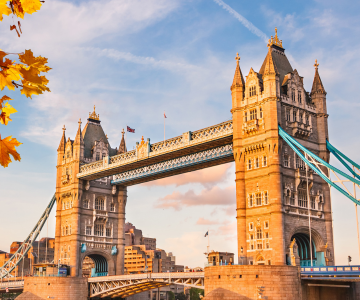
October has arrived, which means autumn is about to make its dramatic entrance in London.
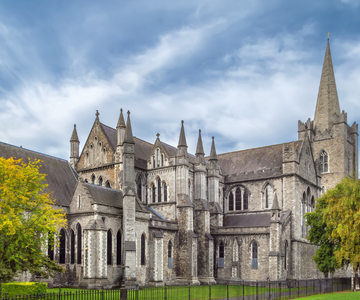
10 Historic Places to Explore in Dublin With Dublin’s Festival of History on the horizon, what better time to discover the city’s fascinating past?
We use technology on our website to personalize content, customize and measure advertising, and analyze website traffic. By clicking OK, you agree to the use of these technologies in their entirety.
Learn more in our Privacy Policy.